









INDUSTRIES / BATTERY

AI for Battery
Engineering
and Operations.

Your Virtual AI Engineer.

Find why a battery test failed. Validate an engineering change. Diagnose field issues with production and battery monitoring data.

Download the solution whitepaper ↓Ask the Battery AI assistant
IndustrialMind Virtual AI Engineer

Works with your engineering,
quality and field service teams.

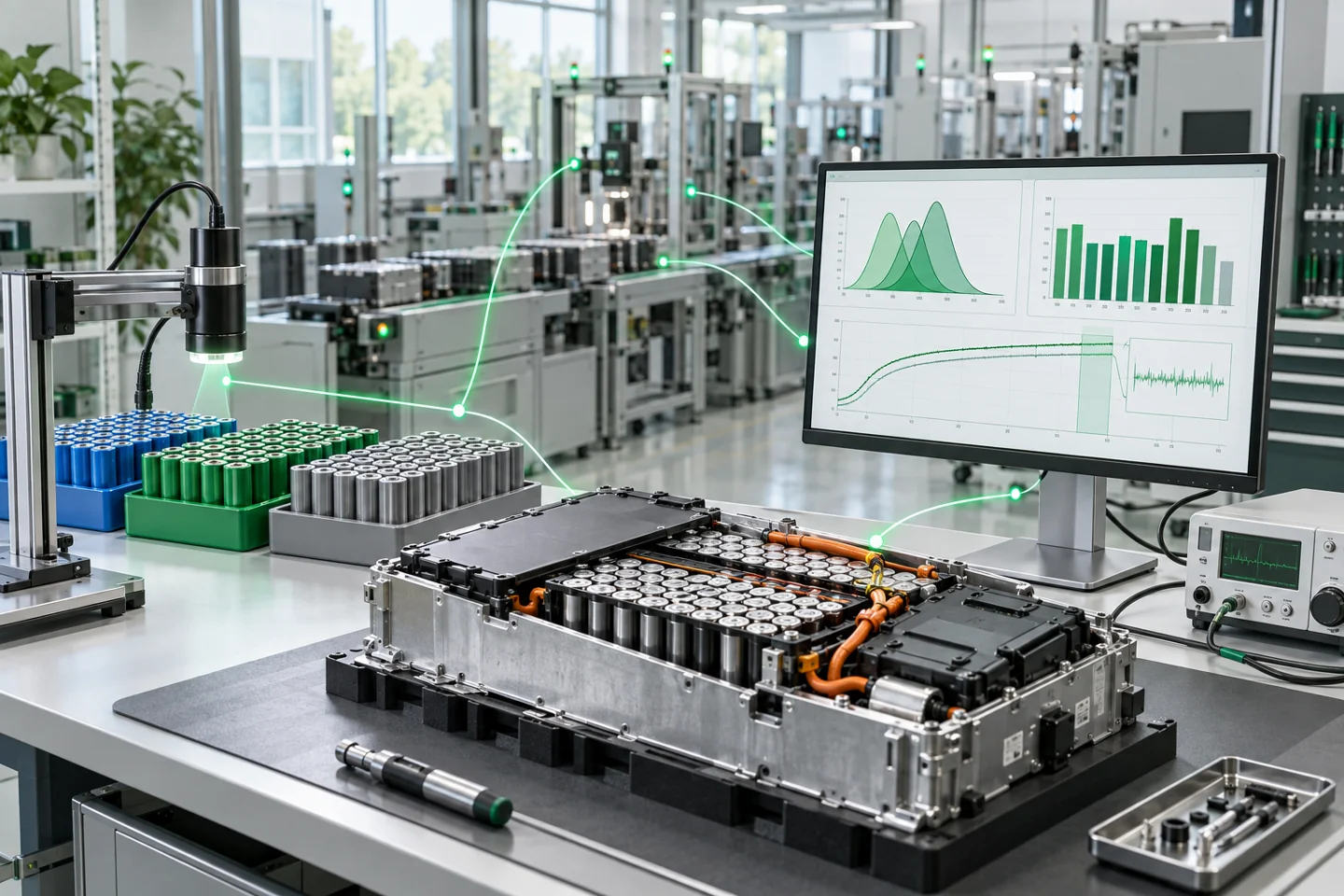
Illustrative automated battery manufacturing environment
IndustrialMind / Battery intelligencePRODUCT CONCEPT
QUALITY REVIEW / BATTERY TEST FAILURE

What changed before the failure?

In review
Packs to review24 packs
What changedTest change
Next stepVerify method
Cell lot BTest program v2.4Station 2
Linked evidence · Engineer review requiredIllustrative data
YOUR BATTERY AI ENGINEER“Check the test change first.”

The failure pattern overlaps a test-program update. Compare matched units before attributing the issue to a supplier.

View the investigation
Illustrative factory scene and product interface
ENGINEERINGCHANGE CONTROLVALIDATIONQUALITY & TESTINGFIELD DIAGNOSTICS
YOUR AI ENGINEER AT WORK

See the problem. Explore the evidence.

Bring a new battery into production. Resolve quality issues. Diagnose batteries in the field.

BATTERY WORKSPACE · PRODUCT PREVIEW · SAMPLE DATA
Illustrative workflows · Human review enabledExplore your use case →
BUILT FOR BATTERY TEAMS

What we help your team do.

From a new cell to a failed pack, make the work visible and show which records support each decision.

01 / NEW PRODUCTS & ENGINEERING CHANGE

Know what needs to be validated.

Connect pilot-build results, validation evidence and engineering changes to a controlled production release.
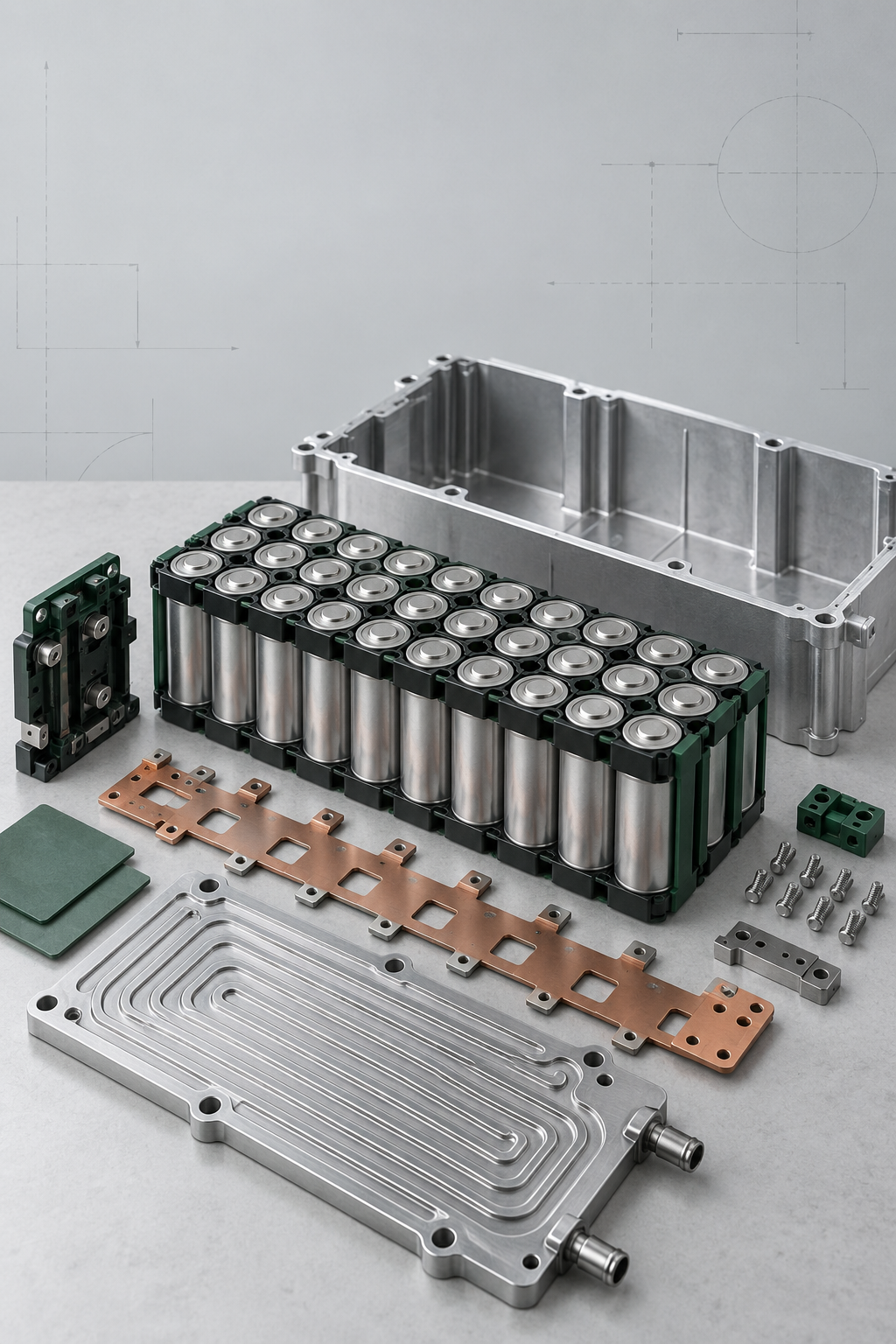
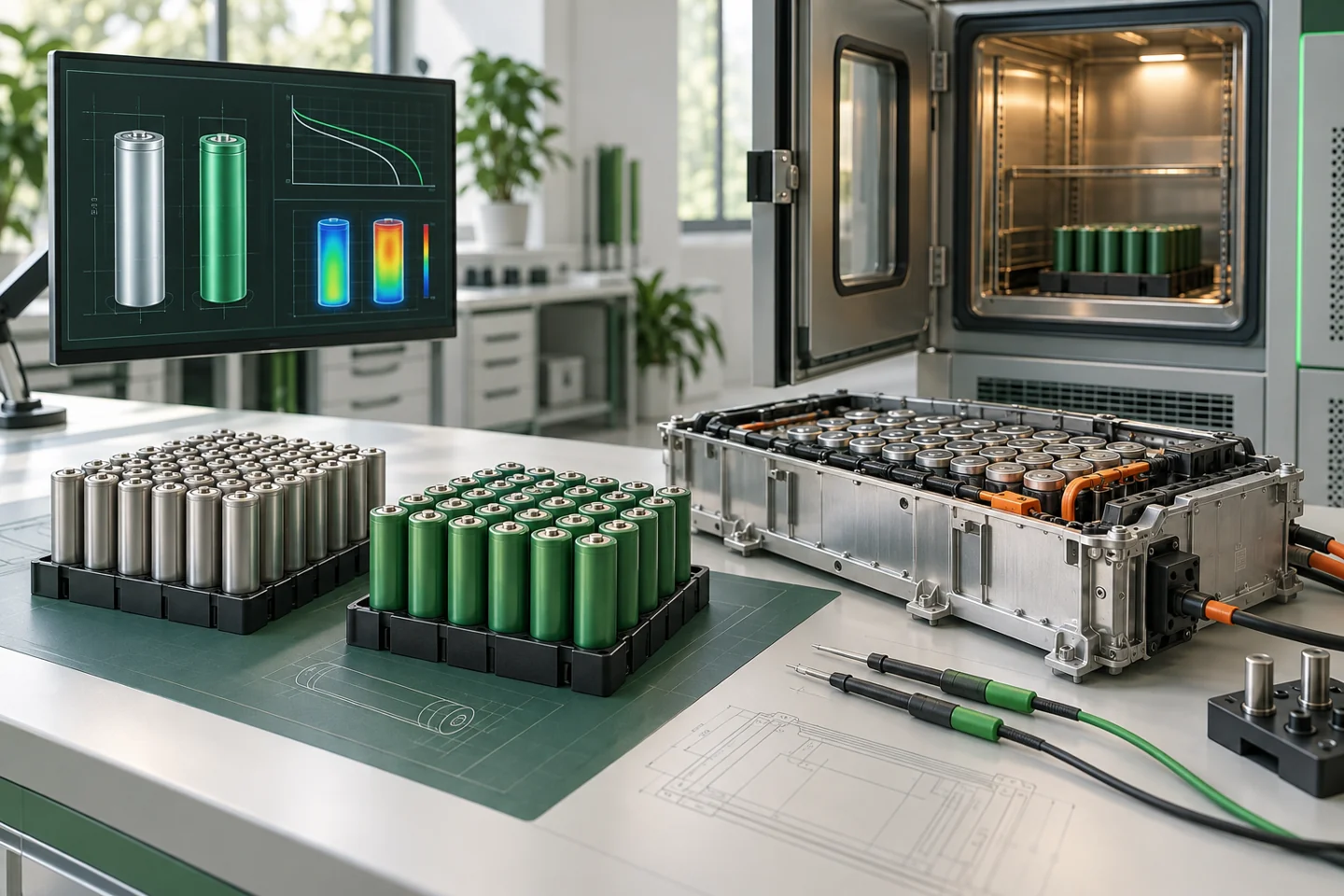
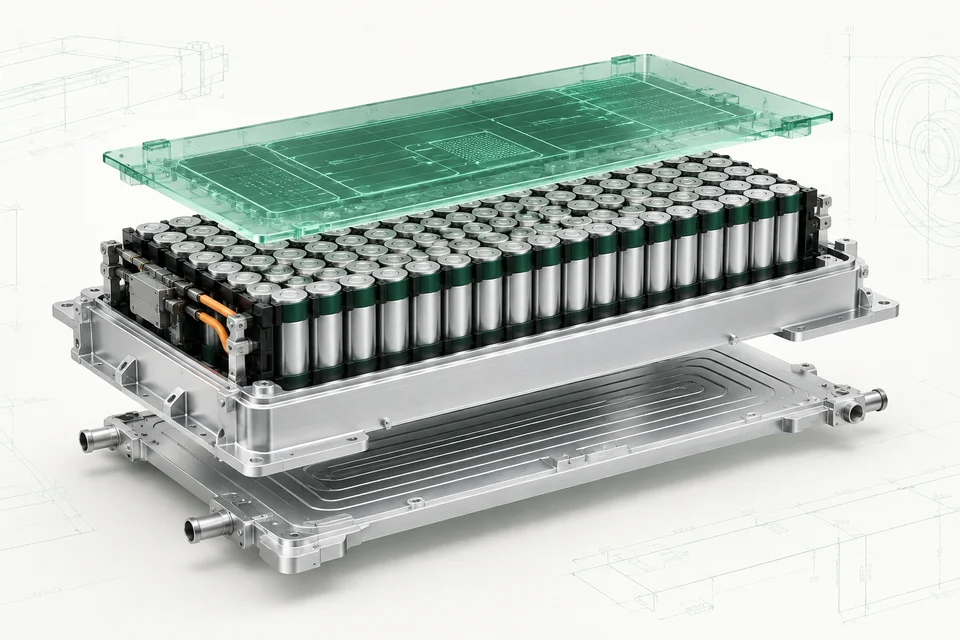
Battery module engineering components
ENGINEERING REVIEW / NEW CELLNew cell introduction
RequirementEvidence
Electrical interfaceCovered
Thermal behaviorValidate
final testing methodReview
01

Assess a changeTrace affected specifications, processes and tests.

02

Define the validation scopeIdentify retests and missing acceptance evidence.

03

Prepare the new product for productionTrack pilot readiness, evidence gaps and production handover.
Explore engineering workflows
02 / OPERATIONS & FIELD SERVICES

Diagnose issues, from line to field.

Connect production tests and battery readings from the field to the evidence your team needs to act.

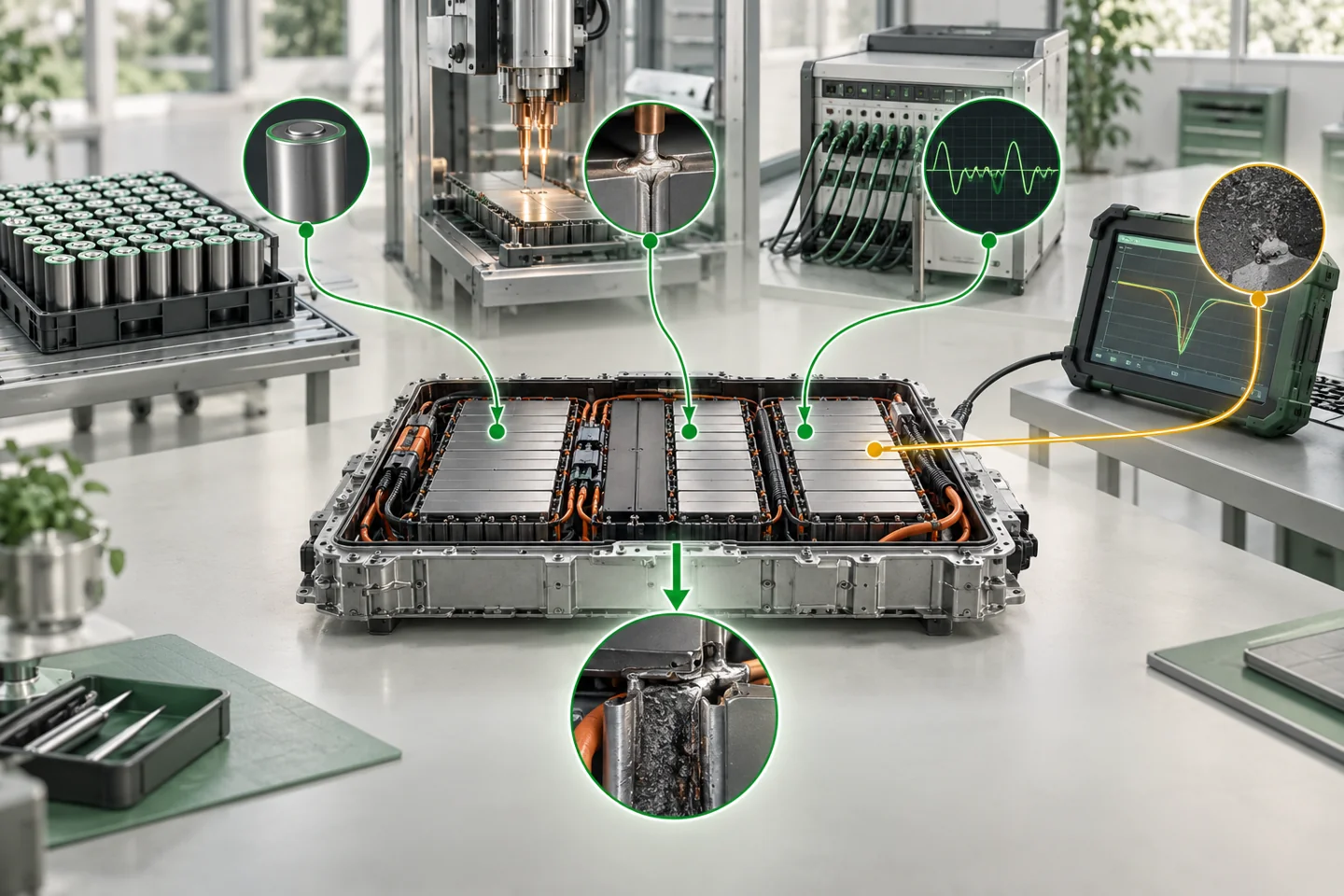
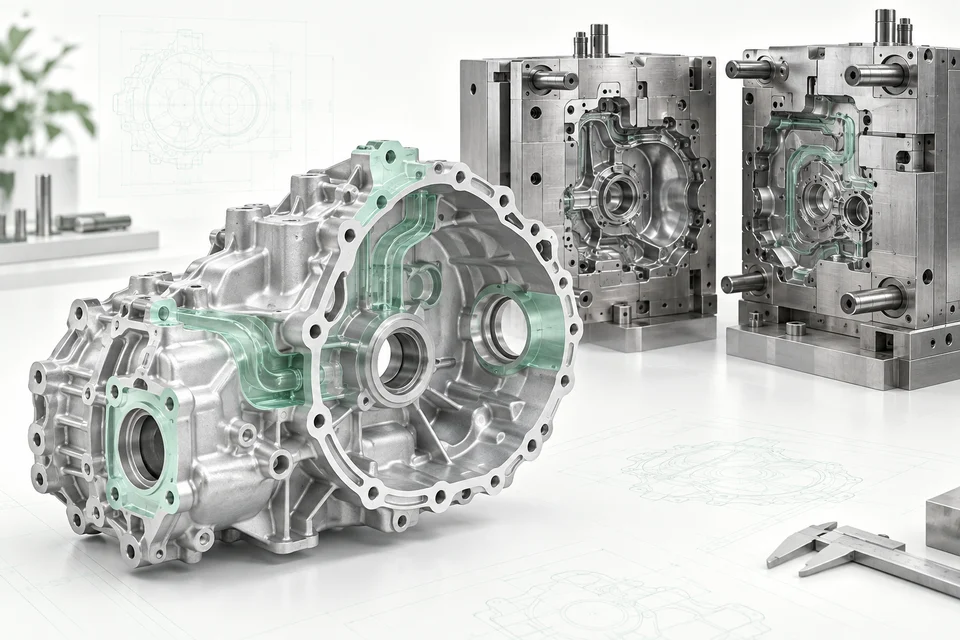
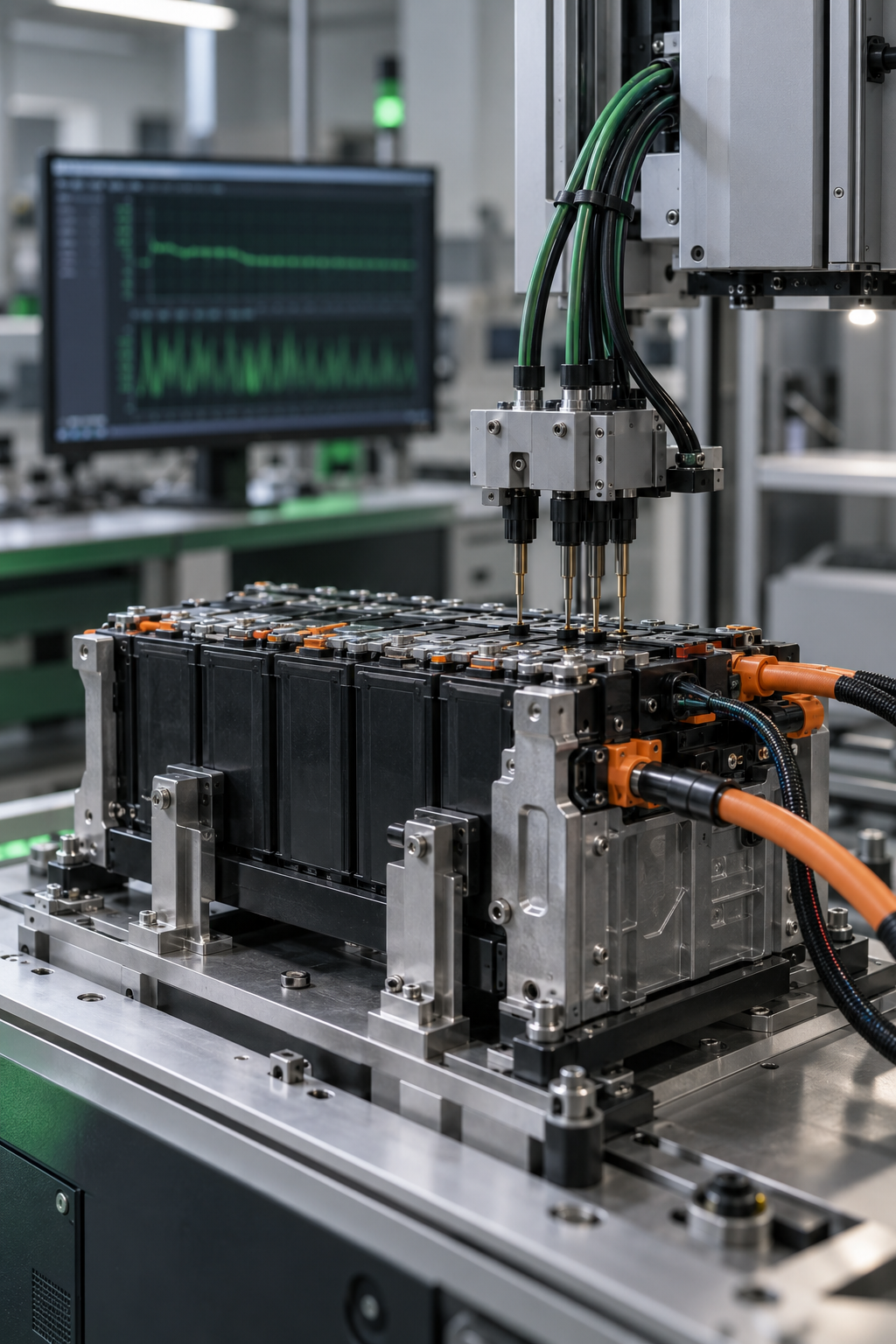
Battery testing equipment and instrumented battery module
QUALITY REVIEW / FAILED BATTERY TESTFinal-test failure investigation
FAILURE BY STATION / EXAMPLE
3
18
3
Review the station and test-program change.
01

Analyze failed testsInspect raw curves, limits and test revisions.

02

Investigate quality & yieldCompare lots and identify affected units.

03

Diagnose field issuesAnalyze battery sensor readings, fault events and service history. Open diagnostics →

Explore operations workflows
END-TO-END BATTERY USE CASE

From a failed test to a validated process change.

Follow one battery issue through root cause analysis, process validation and an approved change.

Illustrative end-to-end scenario. All counts, test results, approvals and follow-up outcomes are example data, not a verified customer case study. Engineers approve containment, validation, release and closure.

CONNECTED TO YOUR WORK

Connected records. Clear decisions.

Engineering recordsDesign & revisionsProduction recordsSerials & processQuality recordsIssues & actionsTest & battery dataTraces & field eventsAI EngineerAnalysis & next steps
BATTERY ANALYTICS WORKSPACE
EXPLORE THE CONNECTED LIFECYCLE

Battery Use Case Gallery

Your AI Engineer. From evidence to action.

MEET YOUR BATTERY AI ENGINEER

Bring your next
battery challenge.

Tell us what your team is working on. Start with a testing issue, an engineering change or a battery in the field that needs diagnosis.

Talk to Us
IndustrialMind Virtual AI Engineer
Your Virtual AI Engineer.Built around the work your team needs to do.
A focused pilot, from scope to evaluation
  1. Scope & baseline Agree the workflow, owner and data.
  2. Connect & evaluate Review historical evidence with engineers.
  3. Run & measure Assess recommendations and action effectiveness.

The reference pilot spans 12 weeks; timing depends on scope and data access.

LET'S TALK BATTERY

Request a demo

A conversation around your team and your use case.

By submitting, you agree to be contacted about your enquiry. Privacy policy · Open contact page

FREQUENTLY ASKED QUESTIONS

How it fits your team.

Your systems. Your expertise. More time for engineering.

Does IndustrialMind replace our existing systems?

No. IndustrialMind is designed to help people work more efficiently with the systems they already use. Your product engineering, production and quality systems, test platforms and service systems remain where your teams store and approve their records.

Your AI Engineer helps connect their information, investigate issues and draft reports with links to source records. Engineers retain ownership of decisions, approvals and release.

How do we know whether an answer is correct?

An AI answer is a proposal to verify. The workflow links observations and hypotheses to source records, highlights missing or conflicting evidence, and defines the next check needed to support a conclusion.

Domain-expert experience and your approved engineering knowledge guide the analysis. Controlled tests and comparisons validate the hypothesis; qualified engineers review the evidence before a root cause, corrective action or release is accepted.

How does the AI use our experts’ experience and knowledge?

The approach combines expert reasoning patterns, approved procedures and past investigations with your technical documents and data. We organize your engineering terms into shared definitions and map how parts, processes, test methods and past failures relate. This lets the AI connect a question to the relevant product, document version and supporting record.

This helps the AI follow how an experienced engineer investigates: understand the context, compare alternatives, test assumptions and explain the evidence. Your experts review and maintain the knowledge. These techniques support reasoning; they do not guarantee correctness on their own.

What do we need to get started?

Start with one defined use case and an engineering owner. For a final testing investigation, useful inputs include failed and passing test traces, acceptance limits, program revisions, station records and production history. Field diagnostics may add battery monitoring events and service history.

A focused pilot can begin with an agreed set of historical files. Together, we define data access, integration scope, review responsibilities and success criteria before expanding to additional workflows.